
Best Plants for Winter Pots and Containers (Garden Designer’s Guide)

As a garden designer practicing and teaching since 2014, I’ve experimented with countless winter-hardy plants and container combinations. One thing I’ve learned is that plants for winter pots don’t have to be dull – using the right mix of structure, color and texture can transform your entryway or patio through the coldest months.
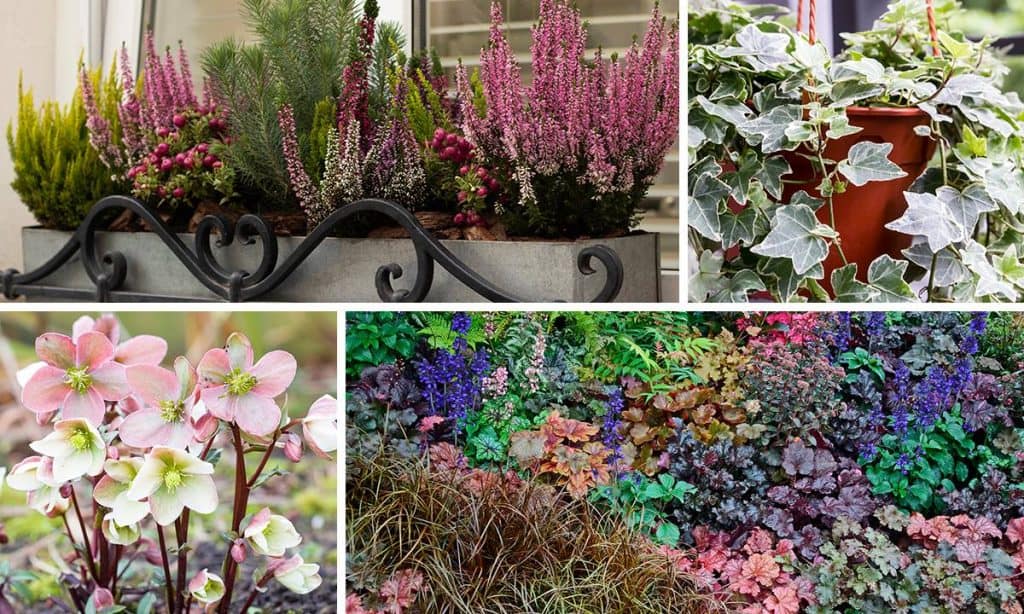
If you want to dive deeper into the fundamentals of arranging plants in pots, make sure to read my How To Arrange Plants In Containers guide first – it pairs perfectly with this article.
Best Plants for Winter Containers
1. Winter Heathers (Erica × darleyensis)

• Growing zones: 5–8
• Best winter months: December–March
• Evergreen: Yes
Blooming in rosy pinks, whites and purples, winter heathers bring reliable winter color and soft mounded texture.
Design Tip:
Use heather as a filler plant to unify your container. Pair pink varieties with burgundy heuchera for a warm winter palette.
2. Hellebores (Christmas & Lenten Rose)

• Growing zones: 4–9
• Best winter months: January–April
• Evergreen: Yes
These elegant winter bloomers brighten containers when most plants are dormant.
Design Tip:
Place hellebores slightly forward so their downward-facing blooms are easy to see. Surround with trailing ivy for a soft finish.
3. Dwarf Evergreens (Spruce, Juniper, Cypress)
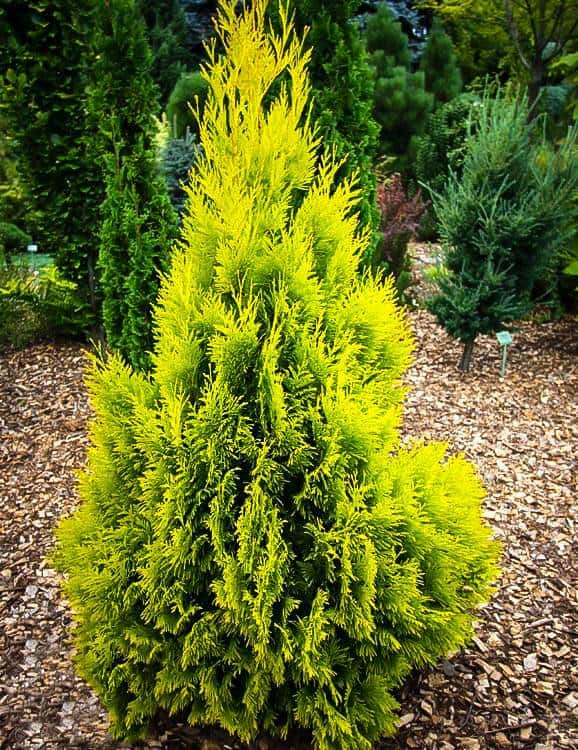
• Growing zones: 3–8 (varies by species)
• Best winter months: November–March (year-round interest)
• Evergreen: Yes
Dwarf evergreens are the backbone of winter container design, providing essential height, structure and long-lasting color. Their varied textures and shades – from icy blue tones to warm gold – make them incredibly versatile. Some great container-friendly options include:
- Dwarf Alberta Spruce (Picea glauca ‘Conica’) – classic conical shape, dense green needles
- Blue Star Juniper (Juniperus squamata ‘Blue Star’) – compact with striking frosty-blue foliage
- Golden Mop Cypress (Chamaecyparis pisifera ‘Golden Mop’) – bright gold threadlike foliage that glows in winter
- Dwarf Hinoki Cypress (Chamaecyparis obtusa ‘Nana Gracilis’) – deep green fans with a sculptural form
Design Tip:
Choose one evergreen as your thriller and build the rest of the design around it. Mix with silver foliage for a frosted look.
Free Gift: Printable Plant “Paper Dolls”
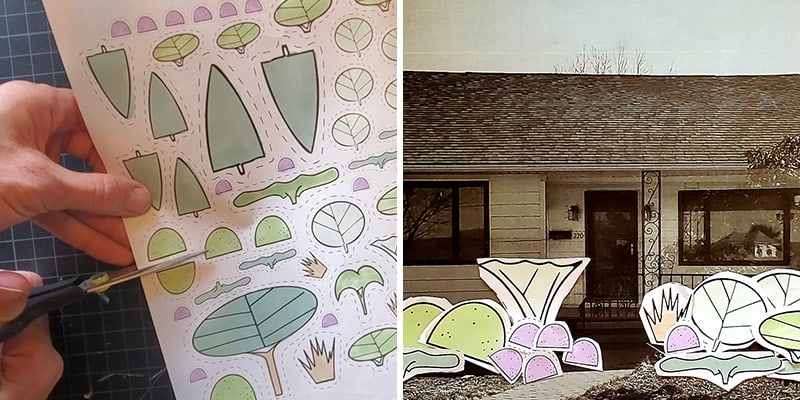
Cut & paste your way to the perfect landscape design. Use these FREE plant form templates to try out different designs for your garden beds. No more wondering if your plants will look good together.
4. Hardy Cyclamen (Cyclamen coum, C. hederifolium)

• Growing zones: 5–8 (hardy species)
• Best winter months: December–March
• Evergreen: Semi-evergreen
Delicate blooms in pink, magenta and white brighten sheltered winter containers.
Design Tip:
Plant cyclamen near the container’s edge to show off their blooms. Combine with snowdrops for a woodland feel.
5. Snowdrops (Galanthus)

• Growing zones: 3–8
• Best winter months: February–March
• Evergreen: No (summer dormant)
Charming early bloomers that often flower through snow.
Design Tip:
Plant snowdrops in small clusters near the front of containers. Mulch with moss for a naturalized look.
6. Evergreen Grasses (Carex, Festuca)

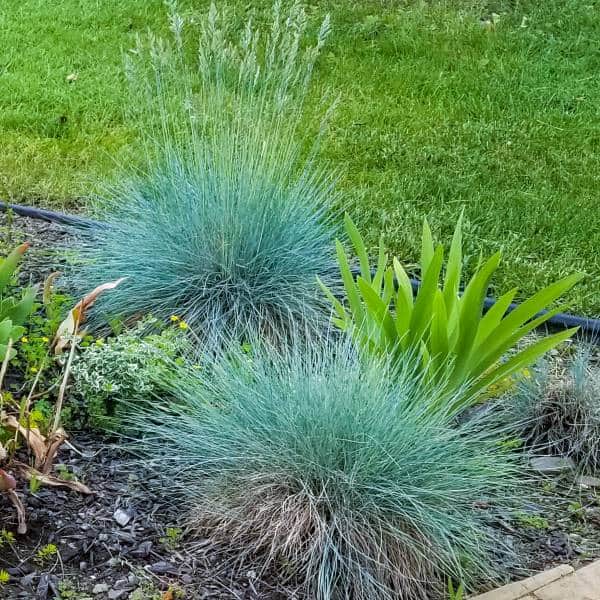
• Growing zones: 4–9 (varies by species)
• Best winter months: October–April
• Evergreen: Yes (evergreen varieties)
Evergreen ornamental grasses add movement, texture and softness to winter containers. Many sedges and fescues retain their color through cold weather, offering shades from icy blue to deep forest green. Great container-friendly options include:
- Blue Fescue (Festuca glauca) – compact steel-blue mounds that look frosty in winter
- Leatherleaf Sedge (Carex buchananii) – coppery vertical blades that add warmth
- Everest Sedge (Carex oshimensis ‘Everest’) – crisp white-variegated foliage that brightens winter pots
- Evergold Sedge (Carex oshimensis ‘Evergold’) – creamy arching foliage that glows in low light
- Blue Zinger Sedge (Carex flacca ‘Blue Zinger’) – blue-toned trailing foliage that softens edges
Design Tip:
Use evergreen sedges as spillers. Their soft texture contrasts nicely with upright evergreens.
7. Skimmia japonica
• Growing zones: 6–8
• Best winter months: November–April
• Evergreen: Yes
Glossy leaves, red berries and fragrant spring buds make skimmia a standout winter container shrub.
Design Tip:
Place skimmia off-center for a natural, asymmetrical design. Surround with low heathers for contrast.
3 Gardening Secrets Revealed (Free)
In this free online training, you’ll learn the 3 mistakes that most beginner gardeners make that prevent them from having your dream garden. Watch it online right now!
COST: FREE
8. Heuchera & Heucherella

• Growing zones: 4–9
• Best winter months: September–April
• Evergreen: Semi-evergreen to evergreen
Colorful foliage adds winter richness in burgundy, amber, lime, plum and near-black.
Design Tip:
Use heuchera to tie contrasting colors together. Burgundy varieties pair beautifully with conifers.
9. Winter Pansies & Violas

• Growing zones: 4–9
• Best winter months: October–April
• Evergreen: No
Cold-tolerant blooms that keep going even through light snow.
Design Tip:
Plant pansies in groups for bold impact. Choose a single color for a cleaner look.
10. Ivy (Hedera helix)

• Growing zones: 4–9
• Best winter months: November–March
• Evergreen: Yes
A classic trailing plant that softens container edges beautifully.
Design Tip:
Use ivy sparingly. A couple of trailing strands add elegance without overwhelming the design.
Designer Tips for Creating Beautiful Winter Containers
1. Use the Thriller–Filler–Spiller Formula
A balanced container includes:
- Thriller: height and structure (dwarf conifer, hellebore)
- Filler: mid-height plants (heather, pansies, heuchera)
- Spiller: trailing greens (ivy, carex)
For a full explanation, see my guide on arranging plants in containers.
2. Use Winter-Hardy Containers
Choose frost-proof materials like ceramic, terracotta and resin. Ensure drainage holes stay open.
3. Pick a Simple Color Palette
Try:
- Frosted Woodland: white, silver, green
- Warm Winter: burgundy, plum, gold
- Holiday Classic: red, deep green, white
4. Add Natural Finishing Touches
Use moss, pine cones or evergreen sprigs to disguise soil.
5. Group Containers Together
Cluster pots for visual impact and improved insulation.
Wrapping Up: Creating Winter Containers with Confidence
Winter containers don’t have to be complicated – with a thoughtful mix of evergreen structure, winter-blooming accents and textural fillers, you can create displays that brighten even the coldest months. As a garden designer practicing and teaching since 2014, I’ve learned that the key to success is choosing reliable plants that not only survive winter but shine in it. Whether you’re aiming for a classic holiday feel or a frosty woodland look, these plants and tips will help you build containers that look beautiful from November through early spring.
For more cold-season inspiration, read my full guide to Winter Flower Gardening.
You may also enjoy this reader favorite: 15 Landscape Design Mistakes to Avoid.
Browse all my winter gardening articles here.
More Articles You’ll Love
Shop my Amazon storefront for my essential gardening books & tool recommendations!


