
Fixing What’s Broken – FineWoodworking

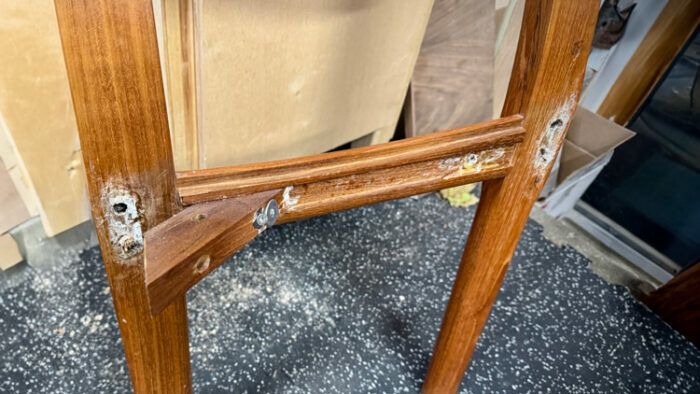
When I first started woodworking, I hated being asked to repair broken furniture. It felt like a nuisance. Someone would show up with a wobbly chair or a split table leg and I’d politely decline, saying I was too busy or that I didn’t really “do repairs.” The truth was, I didn’t know enough about furniture construction to feel confident tackling them. At the time, my head was full of shiny new ideas and fresh builds. Repair work felt like drudgery, something for someone else to do.
Over the years, though, that attitude has completely changed. These days, I actually enjoy repairing furniture. In fact, I find it fascinating. Every repair tells a story. When something breaks, it’s like a puzzle waiting to be solved. Why did this joint fail? Was it a weak glue bond, poor grain orientation, or maybe seasonal wood movement that wasn’t accounted for? Once I figure that out, I get to design a solution that not only fixes the problem but often makes the piece stronger than it was when it left the shop decades ago.
Repairs have become a kind of detective work for me. You start by studying the clues—the way the joint split, the wear patterns, the type of glue used, or the way the finish has aged. A lot of older furniture, especially the handmade stuff, shows a deep understanding of the material. When it breaks, it’s rarely because the maker didn’t know what they were doing. More often, it’s because wood is wood. It moves, expands, contracts, and sometimes just gives up after a century of use.
Then there’s the other end of the spectrum: mass-produced furniture. We’ve all seen it. Particleboard wrapped in veneer, or joints held together with cam locks and plastic dowels. I don’t touch that stuff. It’s not worth the effort. You could spend hours trying to fix something that was never designed to last more than a few years. When a well-made piece breaks, it’s worth repairing. When a cheaply made piece breaks, it’s usually time to let it go.
What I’ve come to appreciate is that good repairs are every bit as creative as building from scratch. In some cases, even more so. You have to work within the limits of the original piece, respecting the maker’s intent while finding ways to improve weak spots. Sometimes that means introducing new joinery or using modern adhesives. Sometimes it means matching an old finish or fabricating a missing part so well that no one can tell it’s new. It’s both art and craft, restoration and innovation.
I think the reason I enjoy repairs now is because I finally understand furniture on a deeper level. I know how it’s supposed to go together, what each joint is doing, and what happens when it fails. There’s a kind of satisfaction that comes from bringing something back to life—especially when you know it was made with care.
Not everything deserves saving, but the pieces that do are a reminder that good craftsmanship lasts. And when it falters, a good woodworker can step in and give it another chapter and keep it out of the landfill.
5 Smart Repairs for Veneering Mistakes
A Hide Glue Repair
All About Repairing Finishes
Sign up for eletters today and get the latest techniques and how-to from Fine Woodworking, plus special offers.


