
Grass Types in South Africa: The Complete Guide

South Africa’s climate spans subtropical coastlines, frost-prone highveld plateaus, arid karoo, and everything in between. That range means there is no single grass type or grass types that suits every garden. The right choice depends on your region, your soil, how much sun your lawn receives, how much foot traffic it takes, and how much time you are willing to spend maintaining it.
This guide covers every major grass type available in South Africa, from warm-season, cold-season, shade-tolerant, drought-resistant, and more. It includes a full comparison table, regional recommendations, and a FAQ section to help you match the right lawn to your conditions.
This is the second chapter in our lawn care series. Read Chapter 1: Comprehensive Lawn Care Guide for South African Homeowners before choosing your grass type.
What to Consider Before Choosing a Grass Type
Before comparing varieties, get clear on the conditions your lawn actually faces. The most common mistake is choosing a grass based on appearance rather than performance in your specific environment.
- Intended use: Family lawn, sports field, ornamental garden, or low-traffic show lawn, each has different performance requirements.
- Regional climate: Frost frequency, summer rainfall, and humidity vary dramatically across provinces.
- Sunlight: Most warm-season grasses need 6+ hours of direct sun. Shade tolerance varies significantly.
- Soil type: Sandy soils drain fast; clay soils retain water and can suffocate shallow-rooted grasses.
- Water availability: If you face restrictions or want a water-wise lawn, drought tolerance is non-negotiable.
- Maintenance commitment: Some grasses need weekly mowing, regular scarifying, and frequent fertilising. Others are far more forgiving.
Grass Types in South Africa: Full Comparison Table
Use this table as a quick-reference decision tool. Detailed profiles for each grass type follow below.
| Grass Type | Texture | Sun | Water Needs | Frost | Maintenance | Traffic | Best Regions |
|---|---|---|---|---|---|---|---|
| Kikuyu | Coarse | Full sun (6h+) | Moderate–High | Poor (dormant) | High | High | Gauteng, W. Cape, E. Cape |
| Buffalo (Stenotaphrum) | Coarse | Full + dappled shade | High | Dormant in frost | Moderate–High | Moderate | Coastal SA, KZN |
| Cynodon (Bermuda/Couch) | Fine–Medium | Full sun | Low–Moderate | Varies by variety | Low–Moderate | Very High | Nationwide (variety dependent) |
| Berea (LM/Durban Grass) | Medium | Full sun + semi-shade | Moderate–High | Poor | Moderate–High | Low | KZN, Lowveld |
| Kearsney | Coarse | Partial shade | Moderate | Poor | Low | Low | Coastal KZN |
| All Seasons Evergreen | Fine–Medium | Full sun + dappled shade | Moderate–High | Good | Moderate | Light | Highveld, cold regions |
| Shade Over | Fine–Medium | Shade to partial shade | Moderate | Good | Low–Moderate | Light | Any shaded area, cold regions |
Frost tolerance: ‘Dormant’ means the grass browns off and recovers in spring. ‘Poor’ means frost damage can be permanent without overseeding. Cynodon frost tolerance varies widely by variety. See individual profiles.
Grass Types by Region: Which Works Where
South Africa’s climate zones are distinct enough that regional specificity matters more than general popularity. A grass that thrives in Durban can fail completely in Johannesburg.
| Region | Climate Challenge | Top Grass Picks | Avoid |
|---|---|---|---|
| Western Cape | Mediterranean: hot dry summers, mild wet winters, occasional frost inland | Kikuyu, Royal Blue Cynodon, Tifway, All Seasons Evergreen (shade/cold areas) | Kearsney, Berea |
| Gauteng | Highveld: summer rain, cold winters with regular frost | Harrismith Cynodon, Kikuyu, Royal Blue, All Seasons Evergreen | Florida Cynodon, Kearsney |
| KwaZulu-Natal Coast | Subtropical: high humidity, year-round warmth, minimal frost | Berea (LM Grass), Buffalo, Seagreen Cynodon, Kearsney, Gulfgreen | Cold-season grasses |
| Lowveld (Mpumalanga / Limpopo) | Hot, humid summers; dry mild winters; frost in higher elevations | Berea, Buffalo, Cynodon varieties, Kikuyu at altitude | Kearsney (dry zones) |
| Eastern Cape | Variable: coastal mild, inland cold and frost-prone | Kikuyu, Cynodon (Harrismith for inland), Buffalo (coastal) | Kearsney |
| Northern Cape / Karoo | Arid: extreme heat, cold nights, very low rainfall | Drought-resistant Cynodon (Skaap Plaas, Seagreen, Bayview) | Buffalo, Berea, Kearsney |
Warm-Season Grass Types in South Africa
Warm-season grasses grow actively in summer, go dormant in cold winters, and dominate South African lawns. They generally require more sun than cold-season varieties but offer better heat and drought tolerance.
Kikuyu Grass (Pennisetum clandestinum)
Kikuyu is the most widely planted grass type in South Africa . Good reason. It is fast-growing, coarse-textured, and bright green, with a proven ability to handle heavy use. It is the go-to choice for family lawns, school fields, and playgrounds.
- Coarse, bright green: Texture and colour
- Full sun : needs more than 6 hours daily. Fails in shade: Sun requirements
- Moderate to high, especially in dry winters: Water needs
- Poor. Goes dormant and browns off in frost-prone areas: Frost tolerance
- High. Recovers quickly from damage: Traffic tolerance
- High. Requires frequent mowing, scarifying, and edging: Maintenance level
- Gauteng, Western Cape, Eastern Cape, coastal SA: Best regions
Kikuyu spreads aggressively via stolons and rhizomes, which means it recovers fast but also invades garden beds if not edged regularly. In frost-prone areas, overseeding with a cool-season ryegrass blend in autumn maintains winter colour.
Not suitable for shaded gardens. If your lawn receives less than 6 hours of direct sun, Berea or a shade blend will serve you better.
Cynodon Dactylon and Cynodon Transvaalensis (Bermuda Grass / Couch / Kweek)
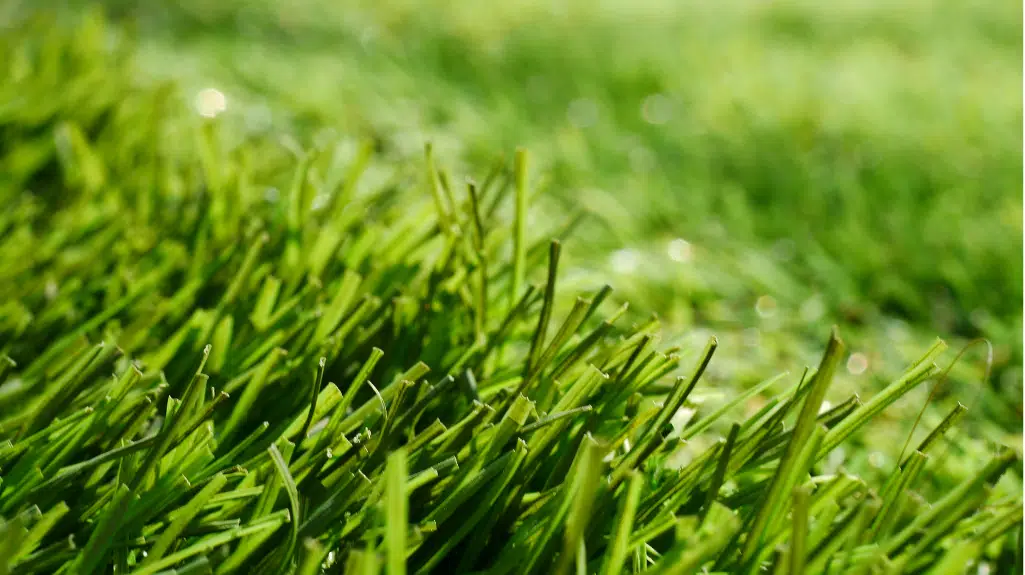
Cynodon grasses are among the most versatile grass types in South Africa. Fine-textured, heat-tolerant, and available in a wide range of varieties suited to different conditions, they are used everywhere from home lawns to professional sports fields and golf courses. Their aggressive spreading via stolons and rhizomes means strong weed suppression and fast recovery from stress.
- Fine to medium; colour varies by variety from blue-green to dark green: Texture and colour
- Full sun. Most varieties perform poorly in shade: Sun requirements
- Low to moderate once established : some varieties are highly drought-resistant: Water needs
- Varies widely by variety. Some are frost-sensitive; newer hybrids are frost-resistant: Frost tolerance
- Very high : the top choice for sports fields: Traffic tolerance
- Low to moderate with correct management: Maintenance level
- Nationwide, depending on variety selected: Best regions.
Notable Cynodon Varieties
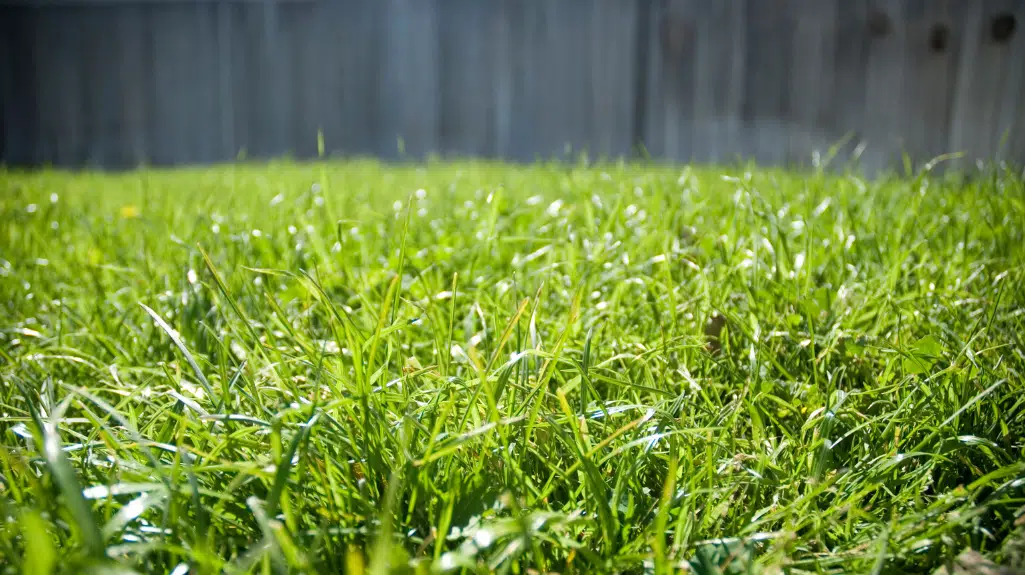
- Medium texture, excellent frost resistance, deep roots. Best for Gauteng and inland regions.: Harrismith
- Dark green, heat and drought tolerant, vigorous grower. Well-suited to KZN and coastal areas.: Seagreen
- Dark green, luxurious texture, tolerates cold and moderate salinity. A premium lawn choice.: Royal Blue
- Very fine texture, fast-growing, frost and salt tolerant. Good all-rounder.: Bayview
- Very fine blade, fast growth, outstanding drought resistance. Well-suited to drier regions.: Skaap Plaas
- Dwarf variety, fine to medium leaf. Used on golf courses and bowling greens.: LMG / TifDwarf
- Medium-fine hybrids with light frost tolerance. Popular for sports and formal lawns.: Tifgreen and Tifway
- Fine texture, tolerates heat and drought but not frost. Best for frost-free areas.: Florida
- Coarser texture, tolerates semi-shade, drought, and salt. Vigorous grower.: Gulfgreen
- Medium-textured, better suited to tropical regions.: Silverton Blue
Buffalo Grass (Stenotaphrum secundatum)
Buffalo grass is another popular warm-season grass. It is well-suited for coastal regions thanks to its high salinity tolerance. With a coarse texture and bluish-green hue, Buffalo grass can feel quite firm underfoot. Although it can tolerate moderate traffic, it recovers slowly from damage and isn’t ideal for sports fields.
Despite claims that Buffalo grass is low-maintenance, this is a misconception. It requires less frequent mowing, but it needs regular deep irrigation and feeding. In heavier soils, it may also require regular aeration. Buffalo grass performs well in full sun but can handle dappled shade. It prefers sandy, compost-rich soils and is best avoided in clay-heavy environments. In frost-prone areas, it goes dormant in winter and may need overseeding to maintain a green lawn year-round.

Berea Grass / LM Grass / Durban Grass (Dactyloctenium australe)
Berea grass , commonly known as LM grass or Durban grass, is the dominant lawn choice in KwaZulu-Natal. Its dark, apple-green leaves and stoloniferous spread make it well-adapted to humid, coastal conditions. It is one of the better warm-season options for semi-shaded gardens.
- KwaZulu-Natal coast, Lowveld: Best regions
- Medium, dark apple-green: Texture and colour
- Full sun to semi-shade. Does not tolerate deep shade: Sun requirements
- Moderate to high, especially in summer: Water needs
- Poor. Best avoided in frost-prone areas: Frost tolerance
- Low. Not suitable for high-traffic areas: Traffic tolerance
- Moderate to high. Requires frequent mowing and regular watering: Maintenance level
Kearsney Grass (Axonopus compressus)
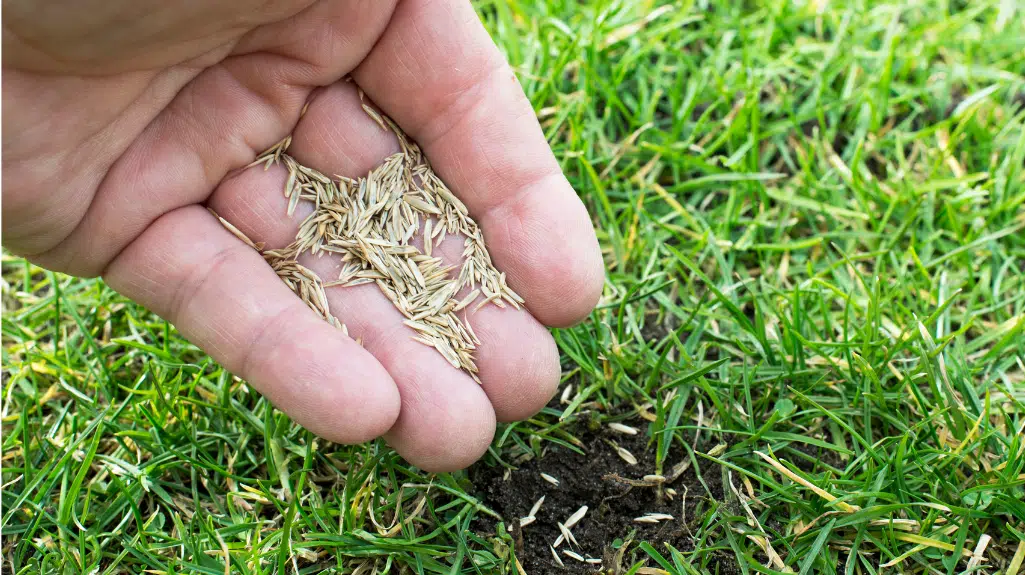
Kearsney is a coarse, light green grass with a glossy finish, native to the American tropics. It is one of the few warm-season grasses that genuinely tolerates partial shade, making it useful in specific coastal situations. However, its limitations are significant.
- Coarse, light green, glossy finish: Texture and colour
- Partial shade preferred. Does not thrive in full sun: Sun requirements
- Moderate. Requires moist conditions but cannot tolerate waterlogging: Water needs
- Poor. Frost-free areas only: Frost tolerance
- Low. Not suitable for active lawns: Traffic tolerance
- Low in terms of mowing frequency: Maintenance level
- Frost-free coastal KZN only: Best regions
- Usually sold in plug trays, not instant lawn: Availability
A niche option. Only worth considering if you are in coastal KZN, need genuine shade tolerance, and have low foot traffic.
Other Warm-Season Grass Types Worth Knowing
- A Cynodon dactylon variety with fine leaves and a blue-green tint. Well-suited to formal, manicured lawns.: Royal Cape
- Finer than Florida grass, darker in colour, but not frost-tolerant. Best for frost-free coastal areas.: Swazi Grass / Swazi Selection
- Highly drought-resistant, suited to coastal regions. A less commonly available but hardy option.: Natal Awheel
Wonderlawn (Dichondra repens) is sometimes included in grass comparisons but is not a true grass. It works as a ground cover in mild, frost-free climates with low foot traffic . Not a lawn replacement in most South African gardens.
Cold-Season Grasses in South Africa
Cold-season grasses remain green through winter and are the right choice for frost-prone areas where warm-season grasses go dormant. They offer better shade tolerance than most warm-season varieties but are less tolerant of summer heat and drought.
Key differences from warm-season grasses: cold-season grasses are bunch-forming (they do not spread by stolons), should never be scarified or top-dressed, require less frequent mowing (at a higher blade setting), and perform best with regular deep watering.
All Seasons Evergreen
All Seasons Evergreen performs well in both full sun and dappled shade, tolerates frost, and handles light traffic. It is the most practical cold-season choice for gardens in Gauteng and other frost-prone regions where year-round green is the goal.
- Full sun to dappled shade: Sun requirements
- Good: Frost tolerance
- Light to moderate: Traffic tolerance
- Moderate to high. Requires regular deep watering: Water needs
- Moderate. Can struggle in prolonged extreme heat: Heat tolerance
- Highveld, Gauteng, Mpumalanga, any frost-prone area: Best regions
Shade Over
Shade Over is a blended cold-season grass designed specifically for areas that receive limited sunlight. It maintains green colour year-round in shaded spots where warm-season grasses struggle to survive.
- Shade to partial shade: Sun requirements
- Good: Frost tolerance
- Light: Traffic tolerance
- Moderate. Must be watered thoroughly to maintain density: Water needs
- Filling bare patches under trees or structures where other grasses fail: Best use
- Any shaded area in frost-prone or moderate-climate zones: Best regions
Cold-season grasses should not be scarified or top-dressed. Mow at a higher blade setting and avoid removing more than a third of the leaf at any one time.
Synthetic Grass: A Water-Wise Alternative
For gardens where water restrictions, deep shade, or heavy wear make natural grass impractical, synthetic grass is worth serious consideration. It requires no mowing, no watering, and no fertilising. It stays green year-round regardless of the weather. Contours Landscapes has written a dedicated guide to synthetic grass for South African conditions. Read the full synthetic grass guide here.

Grass Types Generally Worth Avoiding
Not all grass types deliver in South African conditions. A few specific mentions:
- Frequently avoided by professional landscapers due to limited durability and poor performance in most South African climates. It looks appealing in the nursery but rarely delivers a satisfactory long-term lawn.: Daisy Lawn
- Not a grass. Works only in very specific, mild, frost-free, low-traffic conditions. Widely misrepresented as a practical lawn alternative.: Wonderlawn (Dichondra repens)
Frequently Asked Questions: Grass Types in South Africa
These are the questions South African homeowners, gardeners, and landscapers ask most often about grass types. Answers are specific and direct.
| Question | Answer |
|---|---|
| What are the different types of grass in South Africa? | South Africa has two main grass categories: warm-season and cold-season. The most common warm-season types are Kikuyu, Buffalo, Cynodon (Bermuda/Couch), and Berea (LM grass). Cold-season options include All Seasons Evergreen and Shade Over. The right choice depends on your region, sun exposure, and how much traffic the lawn receives. |
| What type of lawn grass is best for South Africa? | There is no single best grass for all of South Africa. Kikuyu suits high-traffic lawns in frost-prone inland areas. Cynodon varieties are best for manicured or sports-grade finishes. Buffalo works well in coastal gardens. Berea is the top choice for KwaZulu-Natal. Cold-season blends suit shaded or frost-heavy areas in Gauteng and the Highveld. |
| What are the different grass types for lawns? | For South African home lawns, the main options are: Kikuyu (hardwearing, fast-growing), Buffalo (coastal, shade-tolerant), Berea/LM grass (KZN and humidity-prone areas), Cynodon varieties (fine-textured, drought-resistant), All Seasons Evergreen (cold regions, year-round green), and Shade Over (deep shade areas). Each suits different conditions. |
| What are the types of lawn grass in South Africa? | The main lawn grass types available in South Africa are Kikuyu, Buffalo (Stenotaphrum), Berea (LM/Durban grass), Cynodon (Bermuda/Couch/Kweek), Kearsney, All Seasons Evergreen, and Shade Over. Warm-season varieties dominate most of the country. Cold-season grasses are used in frost-prone regions or heavily shaded gardens. |
| What are different types of grass used for? | Grass types serve different purposes. Kikuyu and Cynodon handle heavy traffic and suit sports fields, playgrounds, and active family lawns. Buffalo and Berea are better for ornamental or coastal gardens with moderate use. Cold-season blends are used for shade coverage and winter colour retention in frost-prone areas. Kearsney suits low-traffic shaded spots in coastal KZN. |
| When is the best time to plant grass in South Africa? | For warm-season grasses (Kikuyu, Buffalo, Cynodon, Berea), plant in spring or early summer when soil temperatures are rising and rain is consistent. Avoid planting in winter as dormancy slows establishment. Cold-season grasses can be planted in autumn or early spring. Overseeding for winter colour should be done in late autumn before the first frost. |
| What is the difference between Kikuyu and Buffalo grass? | Kikuyu is faster-growing, higher maintenance, and better for heavy traffic. It needs full sun and goes dormant in frost. Buffalo tolerates more shade and salt, suits coastal gardens, and needs less mowing, but recovers slowly from damage and requires consistent irrigation. Neither is truly low-maintenance. Kikuyu suits active lawns; Buffalo suits ornamental coastal gardens. |
| Which grass types are drought-tolerant in South Africa? | Cynodon varieties offer the best drought resistance, especially Skaap Plaas, Harrismith, Seagreen, and Bayview. Kikuyu is reasonably drought-tolerant once established. Buffalo and Berea require more consistent irrigation and are not suited to dry conditions without reliable watering. |
| Can grass grow in shade in South Africa? | Yes, but options are limited. Shade Over (a cold-season blend) is the strongest deep-shade performer. Berea (LM grass) handles semi-shade in warm, humid areas. Gulfgreen Cynodon tolerates light semi-shade. No warm-season grass survives dense shade. If a garden area receives fewer than 4 hours of direct sun, a shade-specific blend or ground cover is the practical solution. |
| How do I choose the right grass type for my garden? | Start with your region and frost exposure. Then assess sun hours, soil type, expected foot traffic, and your maintenance capacity. Match these to the grass profiles: frost-prone and high traffic suits Kikuyu or Harrismith Cynodon; coastal and moderate use suits Buffalo or Berea; shade and cold suits Shade Over or All Seasons Evergreen. When in doubt, get a site-specific recommendation from a professional landscaper. |
Choosing the Right Grass Type: Summary
South Africa’s regional climate variation means grass selection is never one-size-fits-all. The most important factors, in order:
- Match frost tolerance to your winter conditions first. Getting this wrong means a dead or dormant lawn for months.
- Sun hours come second. No grass compensates for deep shade. If the area receives less than 4 hours of sun, use a shade blend or rethink the approach.
- Then consider traffic, maintenance capacity, and aesthetics.
For most South African conditions: Kikuyu for high-traffic lawns in frost-prone areas; Cynodon for sports-grade or manicured finishes; Buffalo for coastal gardens; Berea for KZN humidity; cold-season blends for permanent shade or frost-heavy winters.
Not sure which grass type is right for your garden? Contact the Contours Landscapes team for expert advice specific to your region and conditions.
Related guides: Year-Round Lawn Care by Region | Soil Preparation for New Lawns | Smart Watering Techniques | Composting for Lawns


