
Visiting a 19th-Century Water-Powered Sawmill

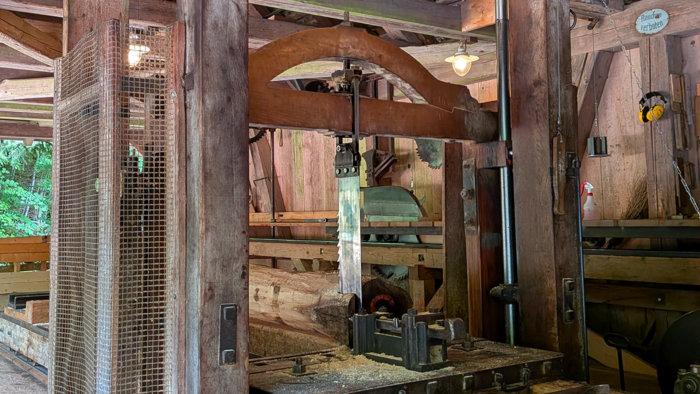
Last week I visited the Ballenberg Open Air Museum while traveling through Switzerland with my husband. This museum sits on a large forested property and hosts over 100 historical buildings extracted from various regions across Switzerland. Visitors can view architecture and interiors from 13 different cultural zones, including Western Switzerland, the Bernese Oberland, and the East Midlands.

The museum offers craft demonstrations covering everything from cheesemaking to woodcarving to breadmaking. I was most taken in by the water-powered sawmill. This structure dates from the mid-1800s, and the saw mechanism itself is 115 years old.

A sawmill like this requires two things: water and a change of elevation. Sawyers use the heavy flow of water that comes down from the mountain to feed into a large water wheel. This water wheel powers a series of gears and drive belts that attach to a large crankshaft that moves the saw up and down at a moderate pace. While the saw remains stationary, a gear mechanism inches the log along a track that runs through the blade.
It takes anywhere from 15 to 30 minutes for the saw to cut down the length of one log. This is incredibly slow by modern standards; however, it absolutely beats out being the guy at the bottom of a trench while operating a manual pit saw. I have no doubt that the sawyers of the late 19th century welcomed this new hydrotechnology with open arms.
According to the museum’s website, 80% to 90% of the lumber processed by the sawmill is used in restoration work on the Ballenberg property, while the remainder is sold.

Brienz Woodcarving
The Ballenberg Museum is near the town of Brienz, which has long been famous for its skilled woodcarvers. The Brienz School of Woodcarving was founded in 1884 and is still training craftspeople to this day.

The woodcarving studio at the Ballenberg Museum was the workshop of renowned Bernese carvers Alfred and Hans Stähli. These brothers were most active in the early 20th century and were famous for their eagle and bear sculptures.

I regret that we did not get to spend more time exploring this museum. I could have easily spent an entire day hanging out with the cute animals, examining the chairs, and taking in the stunning Alpine views.


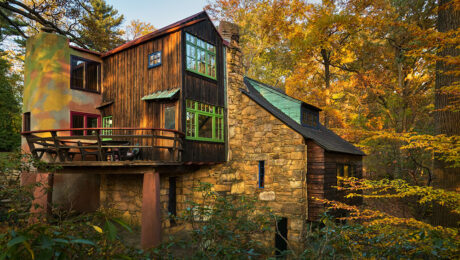
Explore the wonderful hidden details in Wharton Esherick’s studio
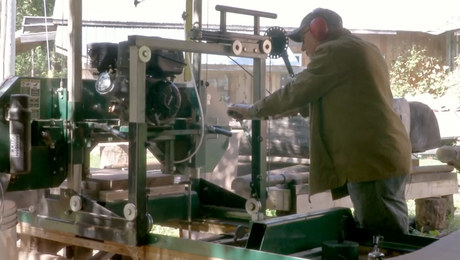
Resawing Veneer on a Sawmill
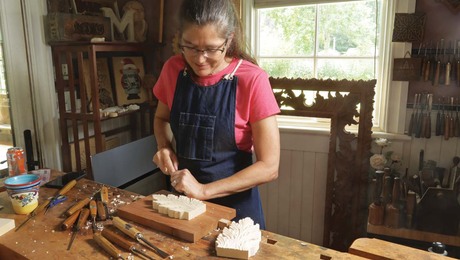
Carve an Acanthus Leaf
Fine Woodworking Recommended Products
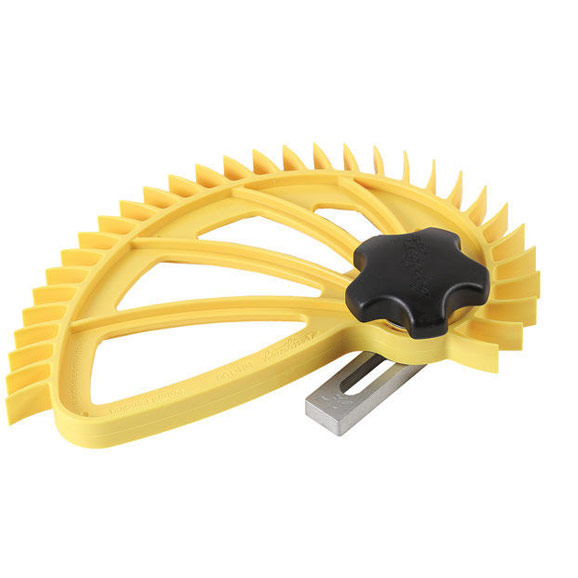
Hedgehog featherboards
The Hedgehog’s unique spiral shape and single knob make it easy to set up and fast to adjust.
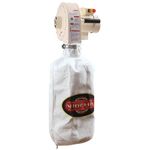
Shop Fox W1826
The thick, felted bag on this Shop Fox is a plus and a minus. On one hand, it makes the unit much less expensive than collectors with canister filters, and also lighter and easier to hang on the wall. Without a separate plastic bag to catch chips, however, they stay in the felt bag, and the shortish zipper on the bottom makes it tough to shake them out. Otherwise, the W1826 is an excellent value.

AnchorSeal Log and Lumber End-Grain Sealer
Good for both sealing the end grain of freshly cut logs and boards, this wax prevents end-grain checking and saves material
Sign up for eletters today and get the latest techniques and how-to from Fine Woodworking, plus special offers.