
Why It’s Not New — And How to Make It Beautiful

There’s been a lot of conversation lately about native garden design — and while I’m thrilled to see interest growing, I want to set the record straight: Native garden design is not a brand-new concept.
The design principles have been around for centuries. In fact, they’re the same ones used in English cottage gardening and other traditional garden styles — the only difference is in the plants we choose.
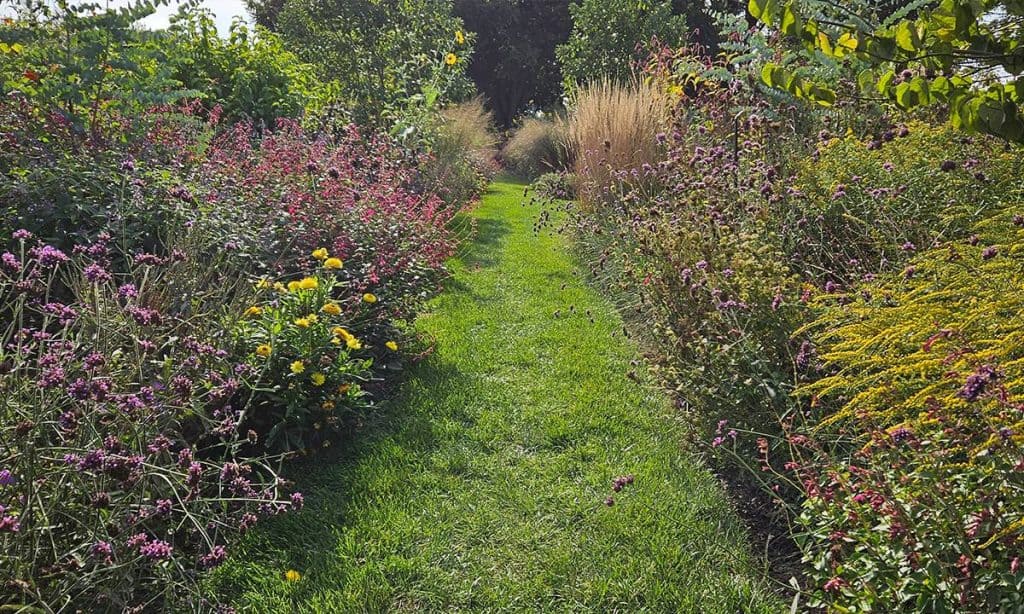
The History Behind the Native Garden Design “Trend”
Cottage gardens, made famous by designers such as Gertrude Jekyll, William Robinson and Vita Sackville-West, have always followed these same principles. Historically, gardeners chose plants from all over the world that suited their climate, soil and aesthetic vision.
With native garden design, we simply focus our plant selection on species from our local ecoregion — plants that have evolved alongside our local wildlife and climate. The design process itself hasn’t changed.
Yes, You Can Design a Native Garden
Some people ask, “Why would anyone design a native garden? Aren’t they meant to just grow wild?”
The truth is, designers create native gardens all the time — carefully and intentionally. Just as in cottage gardening, we layer perennials, shrubs and trees, selecting and placing them for both beauty and ecological function.
Planting “the right plant in the right place” — a principle famously championed by Beth Chatto — is just as important for native species as it is for any other garden plant.
What Makes a Thoughtful Native Garden
A well-designed native garden shares a lot with a traditional cottage garden:
- Variety – A mix of perennials, shrubs and trees for visual interest and habitat diversity. I like to create these in layers.
- Seasonal Design – Flowers, seedheads and structure that provide a valuable garden design all year round — even in winter.
- Wildlife Support – Food and shelter for pollinators, birds, caterpillars and beneficial insects.
- Right Plant, Right Place – Matching plants to the soil, light and moisture they need to thrive.
The big difference? Native gardens are built to support local ecosystems — from the tiniest insects to the birds in your neighborhood.
The Balance Between Wild and Beautiful
A native garden doesn’t have to look unkempt. In fact, you can create a space that’s healthy, thriving, meaningful, beneficial — and beautiful.
It’s not about “letting it go wild.” Without thoughtful design, aggressive native species can overwhelm others, reducing biodiversity. Sensible planting and maintenance keep the garden balanced, healthy and attractive.
You Don’t *Have* to Go 100% Native
While aiming for about 80% native plants is a great rule of thumb, it’s perfectly fine to include non-invasive, non-aggressive non-natives that offer value.
Want to grow your grandmother’s peonies? Or a hummingbird-magnet crocosmia? Go for it. These plants can happily coexist in a mostly native design without harming the ecosystem.
Wrapping Up
Whether you’re designing with 100% natives or a mix, the design principles remain the same. Native gardens are simply a continuation of the rich history of thoughtful, seasonal, wildlife-supporting gardens — just with a local twist.
If you love the idea of a garden that looks good all year, supports wildlife and doesn’t require constant fuss, you might enjoy my free Cottage Garden Design class. It’s not specifically about native plants, but the design techniques you’ll learn apply beautifully to them.
Because at the end of the day, it’s not “native” or “beautiful.” It can — and should — be both.


